Cook Fresh
Easy dishes built from everyday ingredients.
Fresh ideas. Real kitchens. Everyday meals.
Discover fresh ingredient recipes, easy weekly meal plans, produce shopping and storage guides, and practical cooking tips for delicious everyday home meals.

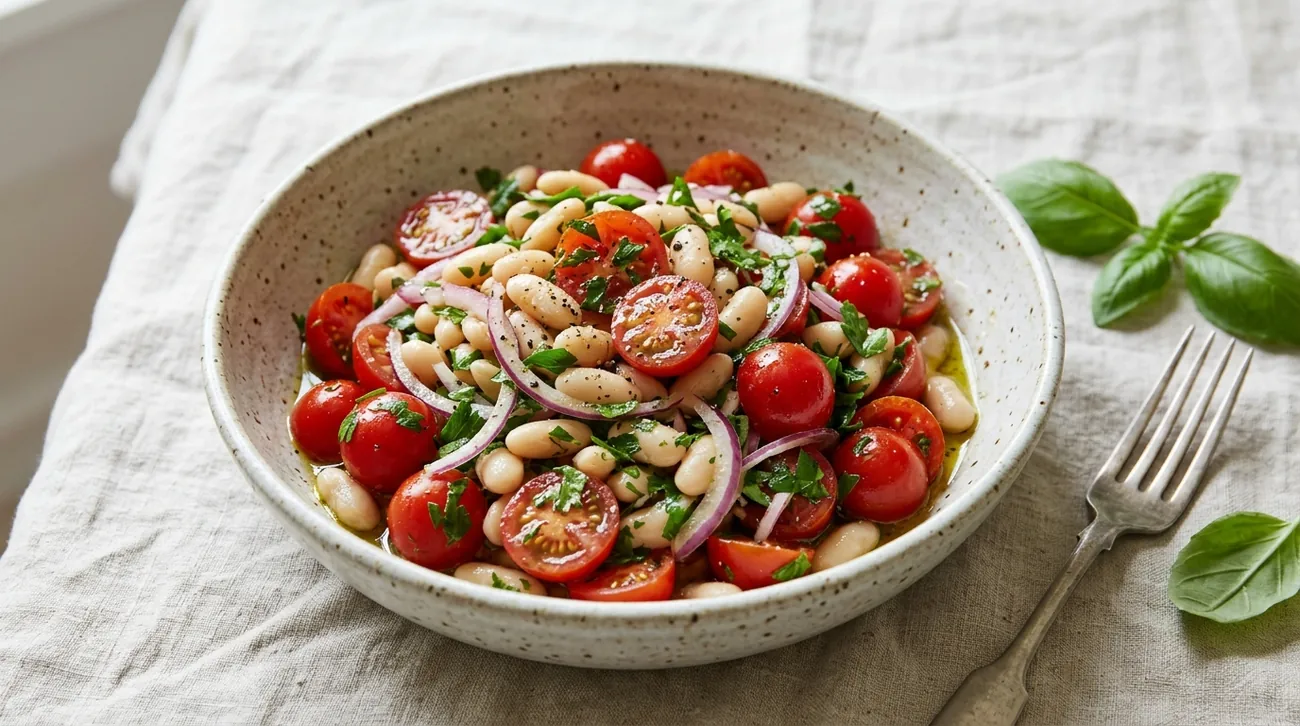

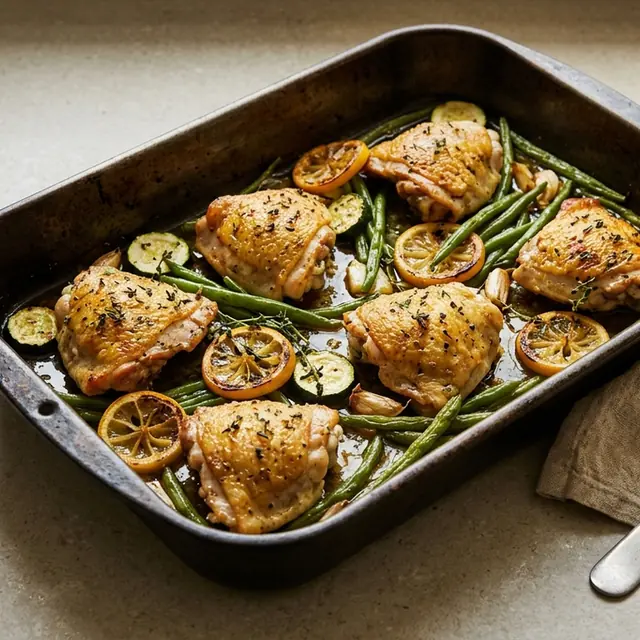
Easy dishes built from everyday ingredients.
Flexible menus for the week ahead.
Know how to choose and store produce.
Simple techniques for better results.
A more relaxed routine
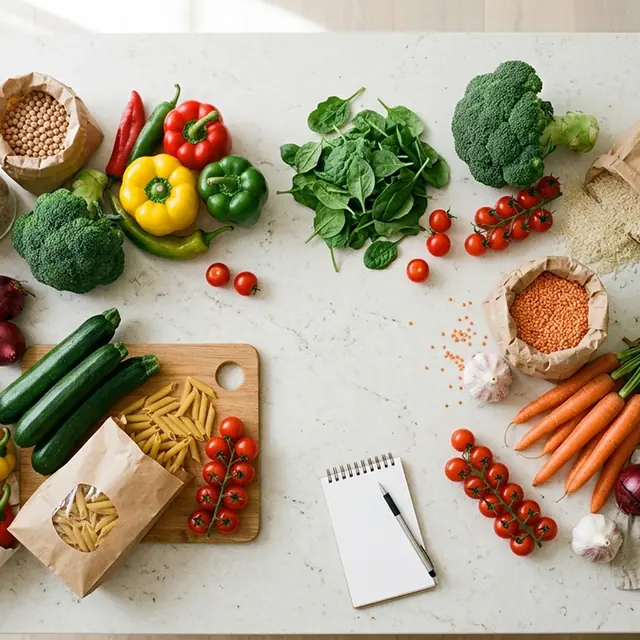
Meal planning works better when it starts with the vegetables you have—and leaves room for plans to change.
Look for ripe produce and ingredients that need using before another grocery trip.
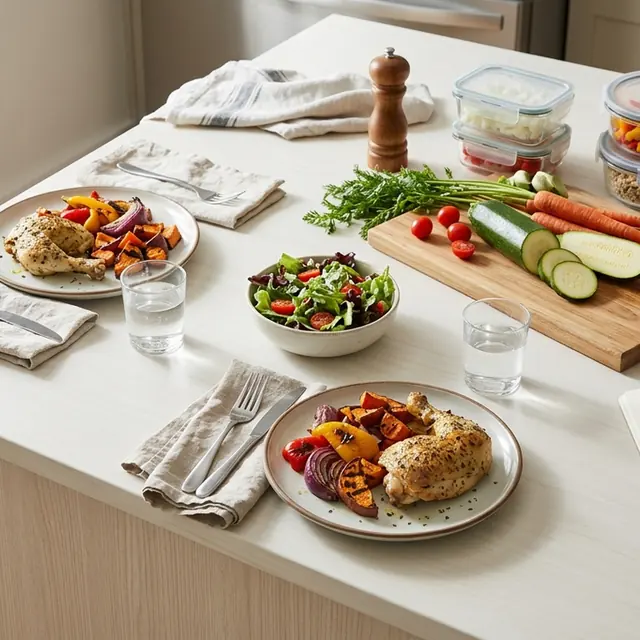
Choose a few meal ideas with overlapping vegetables, grains, and proteins.
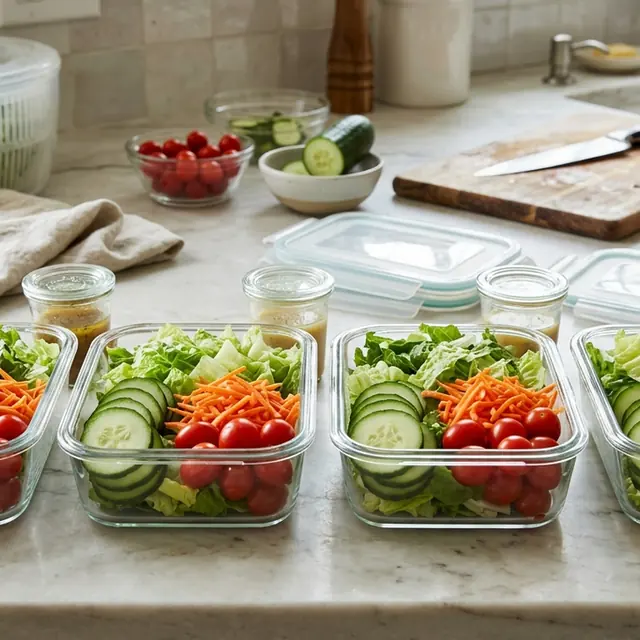
Wash, chop, or cook a few components; leave delicate foods for the day you eat them.
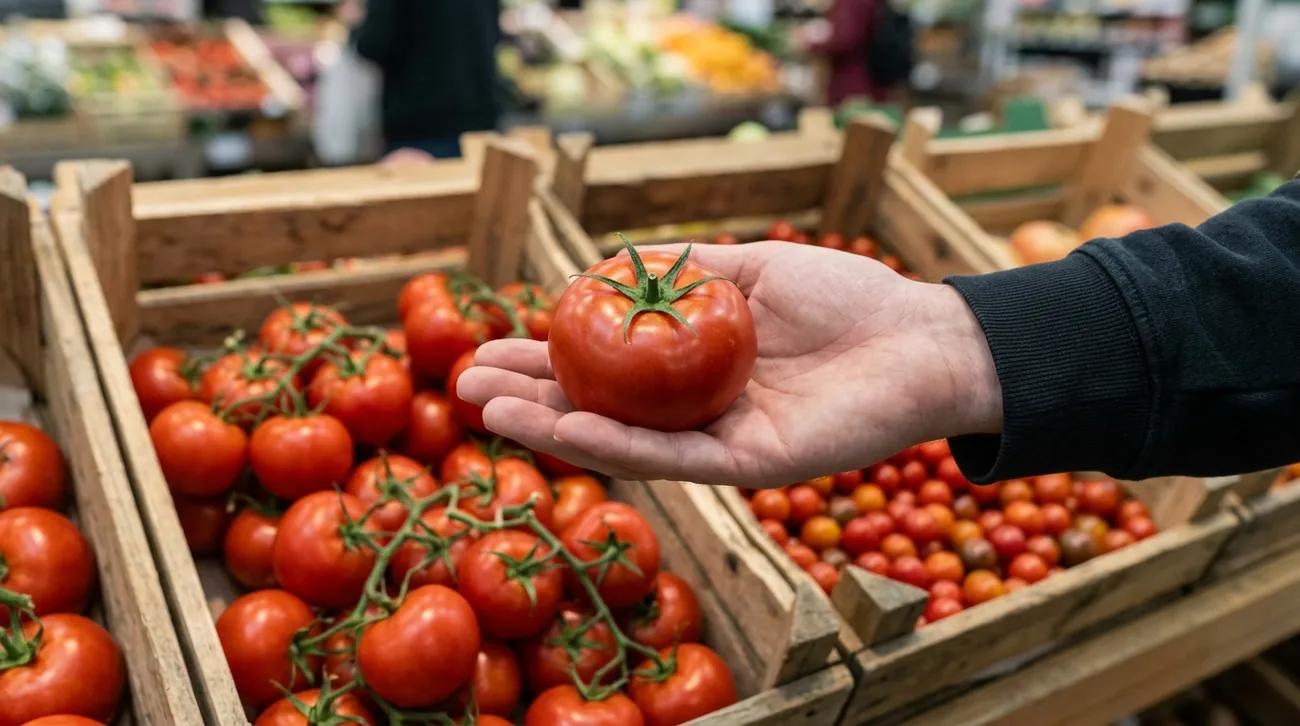
The produce guidebook
Beautiful produce deserves a thoughtful second act. Learn which details signal freshness, when to refrigerate, and how to help tender greens and herbs last.
Build everyday confidence with a few techniques you will use in more than one recipe.
Explore Cooking Skills →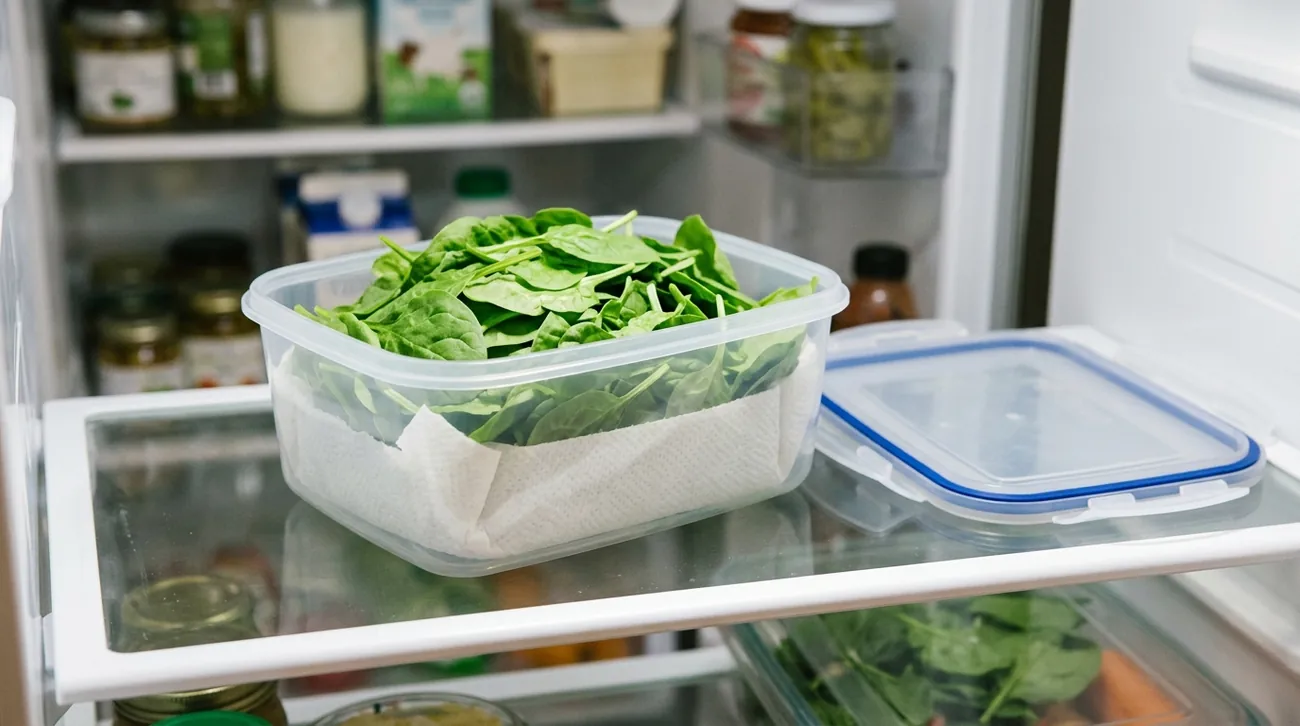 01 / Keep it fresh
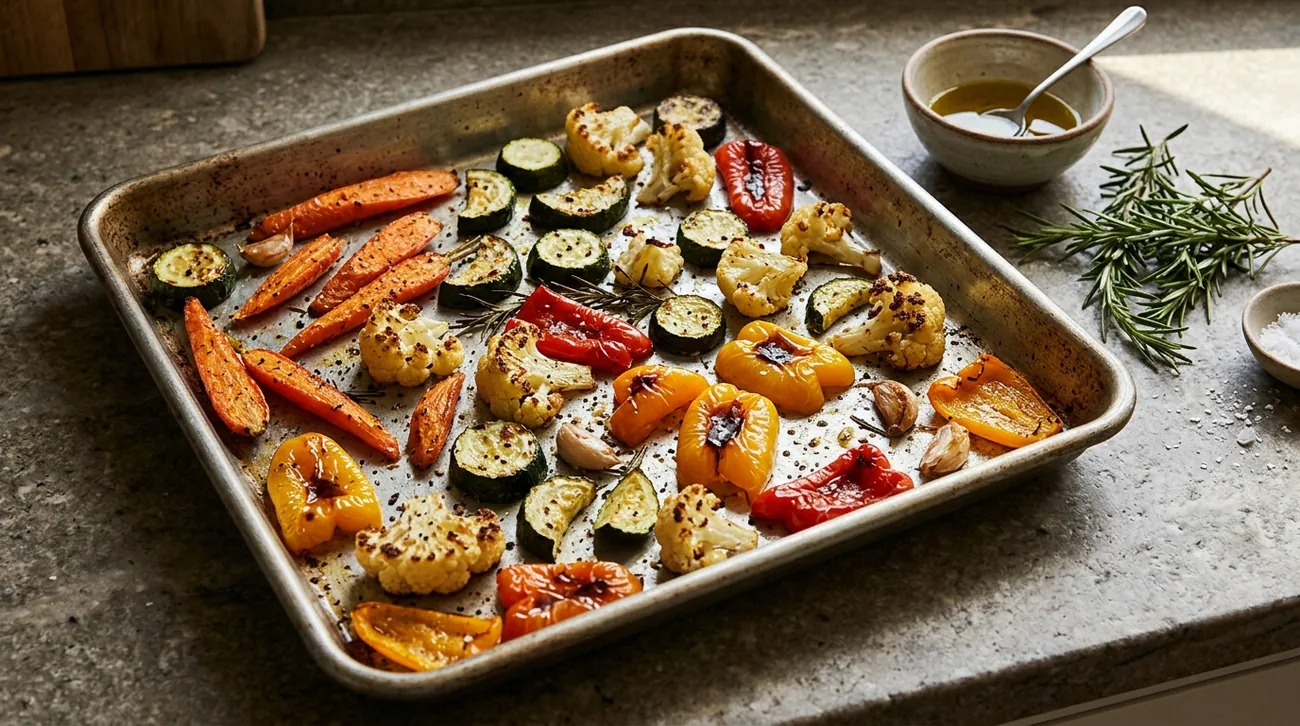 04 / Better technique
A little prep goes a long way
Ideas to bring your grocery basket and calendar together—without rigid menus or wasted vegetables.
View all planning guides →Cooking notes
A roomy pan helps moisture escape so vegetables brown instead of steam.
Match the size of the pieces to the density of the vegetable.
Add herbs and lemon near the end to keep their flavors lively.
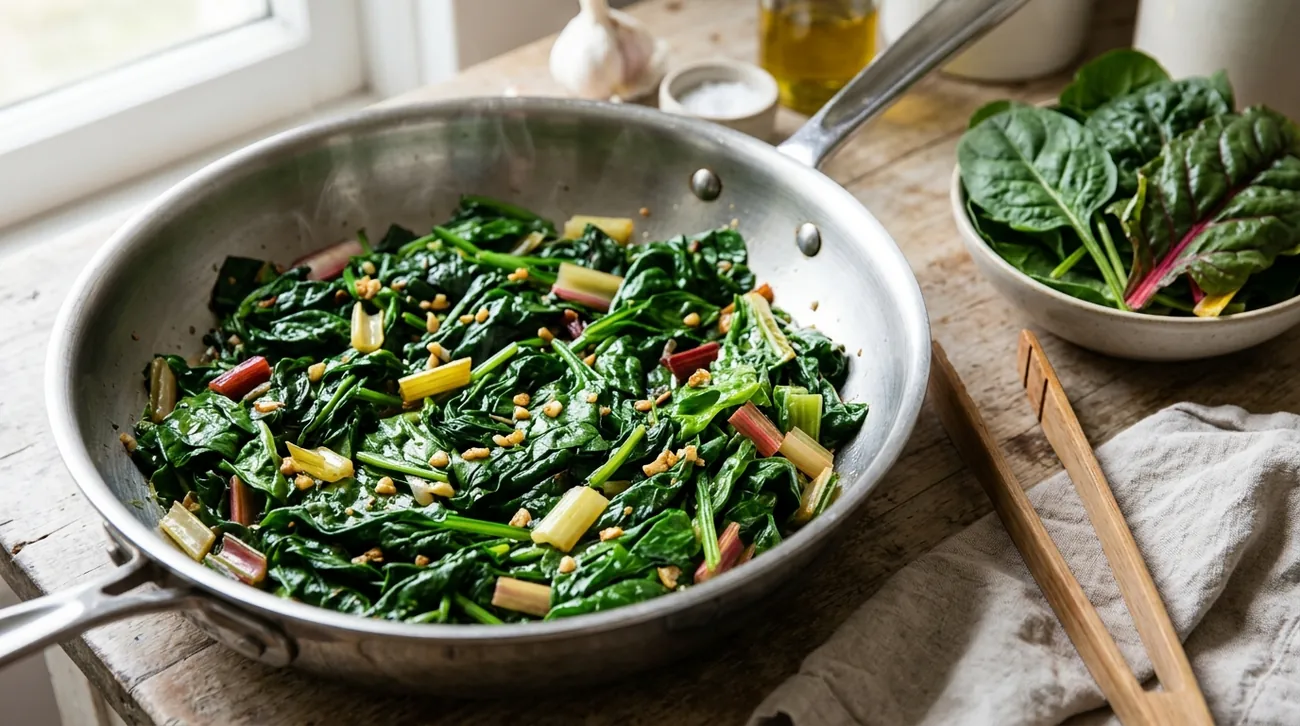 Practice brings the flavor.
Straight answers
Fresh cooking becomes less stressful when you know which details matter—and which can stay flexible.
Wash greens when needed under running water and dry them thoroughly before refrigerated storage. Moisture left on tender leaves can reduce their keeping quality; follow package directions for prewashed greens.
Start with what is in the refrigerator, choose dishes that share ingredients, and schedule tender produce early. Keep one flexible evening and a pantry-friendly backup.
Wet surfaces and crowded trays trap steam. Dry vegetables, spread them across a tray, and use an oven temperature suitable for the type and size of the pieces.
Yes. Keep seasoning simple, then use roasted vegetables in grain bowls, wraps, soups, or warm salads. Chill cooked food promptly and freeze suitable portions if you will not use them within a few days.
In season, in your kitchen
Local availability changes. A flexible method helps you make the most of whichever fresh ingredients are at their best.
Find Seasonal Planning Ideas →Find your starting point