
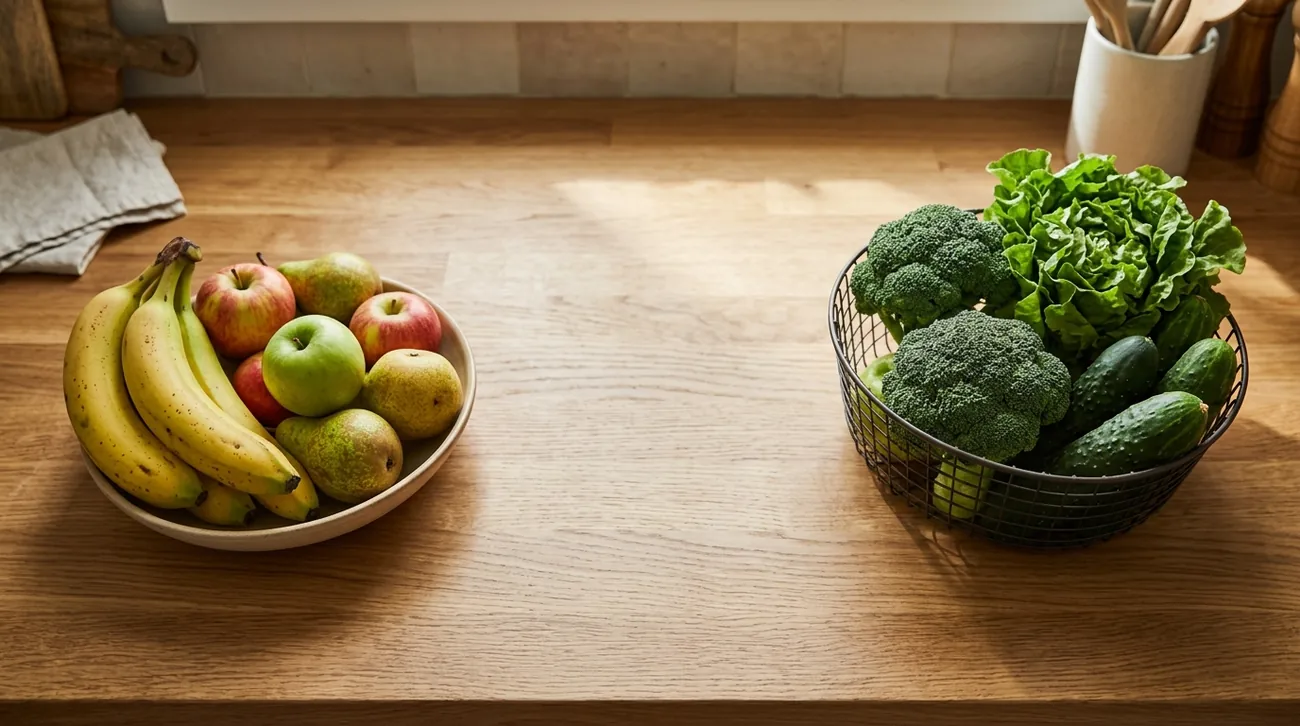
To make a good decision about mixed fruit and vegetables, examine condition first and think about how soon you plan to use the food. A useful starting point is different ripening rates and the ability to separate delicate greens from high-ethylene produce. This guide centers on understanding storage neighbors and ethylene and separates the simple habits that affect everyday freshness from rules that do not apply to every variety.
For mixed fruits and vegetables, a detail worth remembering is this: different ripening rates and the ability to separate delicate greens from high-ethylene produce. A ripe fruit may be soft without being spoiled; a crisp vegetable may still need proper washing and refrigerated storage. Use more than one sign to make a choice, follow the specific handling needs of the item, and discard produce that shows signs of rot or unsafe deterioration.
What to notice first with mixed fruit and vegetables
The first useful signs are different ripening rates and the ability to separate delicate greens from high-ethylene produce. Look closely rather than selecting the largest or brightest item automatically. Good produce should have a condition appropriate for its variety and the way you want to cook or eat it. Judge several parts of an item when possible, especially where stems, leaves, or packed surfaces hide moisture.
In the context of mixed fruits and vegetables, consider this practical point: keeping apples or ripe bananas pressed into delicate leafy greens, or mixing damp cut produce with whole dry produce. Aroma, texture, ripeness, and handling history also matter, and not every variety looks identical at maturity. A small cosmetic mark does not necessarily make otherwise sound produce unusable, while soft wet patches can indicate deterioration that deserves caution. Buy for the next few meals, not for a perfect photograph.
Mixed fruits and vegetables: signs that should make you leave it behind
Watch for keeping apples or ripe bananas pressed into delicate leafy greens, or mixing damp cut produce with whole dry produce. These signals can be more informative than ordinary differences in size or shape. Check the bottom of containers when purchasing prepacked produce; leaking juice, compressed leaves, and standing moisture often go unnoticed from above. Do not assume that trimming one visible damaged area makes severely spoiled produce safe.
The decision is more specific for mixed fruits and vegetables: separate produce that releases ripening ethylene from sensitive vegetables when practical; prioritize the storage needs of each specific item. Keep it separate from raw meat and poultry during shopping, storage, and preparation. Refrigerated and pre-cut items should be cold at the shop. A pleasant aroma and appearance alone cannot prove food is free of harmful microorganisms, so ordinary food-safety measures still apply.
How variety and ripeness change the answer — mixed fruits and vegetables
Not all fruit emits ethylene at the same rate and temperature changes its effect. Consider what kind of mixed fruit and vegetables you have rather than applying one universal visual rule. Different varieties can develop different colors, thicknesses, and natural textures. A food intended for cooking may also be at a different ideal stage than one you plan to slice raw.
For mixed fruits and vegetables, a detail worth remembering is this: weekly produce organization, snack boxes, and grocery planning. For immediate use, greater ripeness may be welcome if the food is otherwise in good condition. Think about the meal first: a soft-ripe fruit can be lovely in a sauce, but a crisp salad depends on firmer texture.
Shopping without unnecessary waste for mixed fruits and vegetables
Estimate the amount of mixed fruit and vegetables you will truly use. A large package can seem economical while leaving you with more than the household can prepare. Check whether the rest of your weekly meals share the ingredient. If not, choose a smaller amount or plan a realistic second use. Keep perishable groceries out of hot cars and refrigerate promptly when you get home.
In the context of mixed fruits and vegetables, consider this practical point: not all fruit emits ethylene at the same rate and temperature changes its effect. Keep raw animal foods packed separately from items intended for salads or snacks. If shopping takes a long time, use an insulated bag for foods that require chilling. The attention paid between the shop and the refrigerator matters as much as choosing an attractive item from the shelf.
Storing mixed fruit and vegetables for better quality
Separate produce that releases ripening ethylene from sensitive vegetables when practical; prioritize the storage needs of each specific item. Use clean containers or breathable wrapping appropriate to the product, and avoid trapping unnecessary water against delicate surfaces. What looks like freshness-preserving moisture can become a problem when condensation forms in a tightly sealed bag. Inspect the container after a day or two and adjust its arrangement when needed.
The decision is more specific for mixed fruits and vegetables: understanding storage neighbors and ethylene. The door warms more often, rear shelves may be colder, and crowded drawers can compress soft items. A refrigerator thermometer can help confirm that perishable produce is kept at 40°F (4°C) or below. Some whole produce ripens at room temperature, but cut or pre-cut perishable portions should be refrigerated.
The role of moisture and airflow — mixed fruits and vegetables
Too little moisture can make certain produce wilt, while too much free water encourages unpleasant textures and decay. Separate produce that releases ripening ethylene from sensitive vegetables when practical; prioritize the storage needs of each specific item. The practical goal is controlled moisture, not simply keeping everything wet. Dry storage is different from drying the food out; a lightly protected vegetable can retain its natural moisture without sitting in a puddle.
For mixed fruits and vegetables, a detail worth remembering is this: different ripening rates and the ability to separate delicate greens from high-ethylene produce. An open plate may dry a tender herb too quickly, but a completely sealed wet bag may let a leafy vegetable become slimy. Use the wrapper or container as an adjustable tool. If condensation keeps collecting, add an absorbent clean towel where appropriate or replace the container with a better fit.
When and how to wash it for mixed fruits and vegetables
In the context of mixed fruits and vegetables, consider this practical point: keeping apples or ripe bananas pressed into delicate leafy greens, or mixing damp cut produce with whole dry produce. Do not use household soap or detergent on fruits and vegetables. Dry with a clean towel or paper towel afterward, especially when you plan to store washed leaves or use them in a recipe that depends on crispness.
The decision is more specific for mixed fruits and vegetables: separate produce that releases ripening ethylene from sensitive vegetables when practical; prioritize the storage needs of each specific item. Follow package directions on produce labeled prewashed or ready-to-eat; repeated washing can reintroduce contamination if the sink or hands are not clean. Keep produce-preparation tools separate from equipment used for raw animal foods, and clean surfaces carefully between tasks.
Mixed fruits and vegetables: prepare it for the dishes you actually make
Good storage is ultimately about having appealing food ready to cook. Possible uses include weekly produce organization, snack boxes, and grocery planning. Choose a preparation that suits the item’s current ripeness and texture instead of forcing every purchase into the same salad. A fresh ingredient can be chopped, cooked, or frozen appropriately before it declines, but this depends on its type and condition.
For mixed fruits and vegetables, a detail worth remembering is this: weekly produce organization, snack boxes, and grocery planning. Crisp vegetables often benefit from careful drying; delicate fruit may be best cut only before serving; and certain vegetables improve after a brief blanch or roast. Keep sauces and wet dressings apart from crunchy raw ingredients until needed. Small handling choices influence the finished texture more than elaborate garnishes.
When to keep whole and when to cut — mixed fruits and vegetables
Leaving mixed fruit and vegetables whole can sometimes protect its quality compared with cutting everything at the start of the week. Cutting exposes new surfaces to air, moisture loss, and microorganisms. If pre-cutting is necessary, use sanitized utensils, clean covered containers, and prompt refrigeration. Portion only what you are likely to use before the cut surfaces deteriorate.
In the context of mixed fruits and vegetables, consider this practical point: not all fruit emits ethylene at the same rate and temperature changes its effect. Keep cut pieces separate from raw meats and their juices. A bag of washed ingredients can simplify cooking, but convenience should not override correct food handling. When the quality drops sharply after cutting, preserve time by preparing other parts of the meal ahead instead.
How to tell when quality is slipping for mixed fruits and vegetables
The early signs of quality loss may include decreased firmness, drying, or dulling of aroma. More concerning signals are keeping apples or ripe bananas pressed into delicate leafy greens, or mixing damp cut produce with whole dry produce. Use judgment rather than trying to disguise questionable food with lemon juice or cooking spices. If the product has mold, slime, leakage, or a suspicious odor, discard it when safety is uncertain.
The decision is more specific for mixed fruits and vegetables: understanding storage neighbors and ethylene. Remove spoiled items so they do not sit against sound food, and wash any container that became soiled. A short inspection is often more effective than memorizing one fixed storage-life number because ripeness and prior handling differ from purchase to purchase.
Mixed fruits and vegetables: common myths worth reconsidering
Not all fruit emits ethylene at the same rate and temperature changes its effect. This is a useful reminder that a single trick seldom works for every fruit or vegetable. Claims that one storage hack keeps produce perfect for weeks are often missing important details about starting ripeness, packaging, and refrigerator temperature. Treat methods as tools to test, not as guarantees.
For mixed fruits and vegetables, a detail worth remembering is this: different ripening rates and the ability to separate delicate greens from high-ethylene produce. A flawless surface cannot guarantee food safety, and an unusual natural shape is not in itself a defect. Focus on the relevant signs for this particular ingredient, keep it clean, and use proper temperatures. That is more reliable than relying on folklore about color, smell, or an arbitrary number of days.
Three helpful kitchen scenarios — mixed fruits and vegetables
If you need mixed fruit and vegetables tonight, select food with good current eating quality and prepare it according to weekly produce organization, snack boxes, and grocery planning. If you need it later in the week, choose appropriately firm, sound produce and plan storage before bringing it home. If you discover you have more than expected, find a second recipe immediately rather than promising vaguely to use it someday.
In the context of mixed fruits and vegetables, consider this practical point: keeping apples or ripe bananas pressed into delicate leafy greens, or mixing damp cut produce with whole dry produce. Look at the ingredient first, not the calendar. If it still looks sound but is reaching peak ripeness, move it to an earlier meal or prepare and freeze it when suitable. If it has deteriorated, discard it. Avoiding one future overpurchase is a better long-term solution than routinely trying to salvage food past its prime.
Using the ingredient in a flexible weekly plan for mixed fruits and vegetables
Weekly produce organization, snack boxes, and grocery planning. Link those possibilities to what else is already in your kitchen. Produce is more likely to be eaten when you know the grain, sauce, bean, or protein that will accompany it. Write a short reminder next to the ingredient on your meal plan and use the most delicate parts first.
The decision is more specific for mixed fruits and vegetables: separate produce that releases ripening ethylene from sensitive vegetables when practical; prioritize the storage needs of each specific item. Raw salads, quick stir-fries, oven roasting, and gentle steaming offer different textures while relying on the same basic knife and storage skills. This variety can help use fresh food without adding another long shopping list.
Mixed fruits and vegetables: a quick decision guide for the next shopping trip
When comparing packages or individual pieces of mixed fruit and vegetables, look for different ripening rates and the ability to separate delicate greens from high-ethylene produce. If these details are missing, examine the container and consider how quickly the food needs to be used. Leave behind produce with keeping apples or ripe bananas pressed into delicate leafy greens, or mixing damp cut produce with whole dry produce. A bargain does not make sense if the ingredient cannot be used safely and pleasantly in the meals you planned. Choosing one suitable item instead of an oversized package is often the simpler decision.
Once home, apply the correct storage strategy: separate produce that releases ripening ethylene from sensitive vegetables when practical; prioritize the storage needs of each specific item. Then plan one of these uses: weekly produce organization, snack boxes, and grocery planning. Keep in mind that not all fruit emits ethylene at the same rate and temperature changes its effect. Those practical checks fit into a normal shopping routine; they do not require specialty products or complicated preservation methods, just a realistic idea of when and how the food will be eaten.
The take-home decision — mixed fruits and vegetables
The best practice is understanding storage neighbors and ethylene. Start with condition and intended timing, pay attention to moisture and temperature, and prepare the food safely. Do not expect every item to last an identical number of days, and do not assume a visual improvement means that spoiled food has become safe.
For a closely connected produce-handling question, see How to Freeze Fresh Green Beans Without Losing Texture. Together the guides help make grocery decisions more confident without depending on rigid tricks, unnecessary purchases, or storage promises that may not hold in an individual kitchen.